
First things first, there are 2 big categories: Generalist and Specialist .
Fxhome is offering a pretty good idea of what does that mean and what exactly are each one doing. :
Specialist
Someone who specializes in a particular area like 3D modelling, animation or cncept art. They are usually found working in larger studios with a number of other specialists who are all working toward a common goal.
Generalist
Someone who does a little bit of everything. They generally work alone, or in small teams and are often responsible for producing every element of a VFX shot from start to finish.
After researching a little bit on what the duties and responsabilities are in general , the most common ones are :
-Motion Graphics and Animations
-Create Visual effects
-Operate camera , lights and microphones
-Collaborate with Engeneers and Designers
-Ensure projects stay within budget
I will focus my research on an Animator , because I would like to focus my career more on animation and concept art . One of my favourite animations from all the time are Rick and Morty , created by Dan Harmon and Justin Roiland .

However , the Animation director for Rick and Morty is Nathan Litz. He offered an interview on Cranbook Daily Townsman answering few questions about the Emmy Award for his work on the hit Adult Swim animated series Rick and Morty and how he got into animation in the first place.
He’s telling us about how he was never into live action movies and preffered animations and cartoons almost exclusevly . One interesting thing he mentioned in the interview was his dream of creating characters that wear different clothes every day and are engaged in breathing cycles , but after he learned about the costs of making that happen and why is it not happening he says he backed up a bit .
“I’m sort of fighting myself when I watch an episode,” Nathan Litz, animation director at Bardel Entertainment, told me recently from his studio’s headquarters in Vancouver, British Columbia. “You see all the great action go by and it looks fantastic. But you look at it and you think, That took four weeks to do, and it played out in one minute.”
“If you work on a fire-rescue show, you’ve got fire and water and smoke to deal with,” Litz explains. “On Rick and Morty, you’ve got fire, water, smoke, lasers, ship trails, explosions, everything you can possibly think of. The overall scope of things is what makes it the challenge that it is.”
“It’s a big difference to work on a project that you really enjoy the final product, as opposed to when it’s just a job,” he says. “As an animator you can of course still take a lot of pleasure in doing a scene that looks good, but if that scene comes in the middle of a show that you don’t really enjoy, you don’t get the same level of satisfaction. Working on a show like Rick and Morty, that’s not only fun and entertaining but also high-profile, that everyone is watching, is extremely satisfying.”
“For Litz and the team, the enormous amount of labor that goes into the project pays off when it’s all done. “It’s always great when we finish an episode and get together and watch it with the team,” he says. “You can always hear everybody whooping when their scenes come up. They have so much pride for this show.” “”
On the other hand , while writing about The Evil Dead , Tom Sullivan really got my attention . His passion about what he was doing and how he experimented quite a lot using weird materials to achieve the desired effects kinda fascinated me . ” Sullivan began preparing conceptual drawings, experimenting with make-up , and rigging Rube Goldberg-like contraptions for physical effects like levitation, and camera mounts to capture a rushing demon’s POV — one of The Evil Dead’s signature shots. He even improved upon Hollywood’s traditional fake-blood formula of corn syrup and food coloring — by adding coffee. The Evil Dead, Sullivan realized, was a perfect showcase for his very specific artistry. Somehow he managed to survive the often freezing, brutally hard Evil Dead shoot (not many did, save for the core group)”
“In the mid-1970s, Sullivan met director Sam Raimi because his wife, Penny was attending Michigan State University as the same time as Raimi, along with actor Bruce Campbell, screenwriter Scott Spiegel, and producer Robert Tapert.[1][2] Sullivan bonded with Raimi over their mutual interest in stop-motion animation, special effects, claymation, and puppetry in relation to filmmaking. He joined the crew of Raimi’s 1978 short film Within the Woods as a special effects artist.[3] He would later work on The Evil Dead, Raimi’s feature-length remake of Within the Woods, as a special makeup effects artist, where he worked with such materials as foam latex and fake blood.[1] For the latter, he used coffee as an added ingredient to the traditional fake blood formula of corn syrup and food coloring.[1][2] Sullivan designed and illustrated The Book of the Dead and created the Kandarian Dagger. Tom Sullivan and Bart Pierce designed, co-animated the clay stop motion “meltdown” of the deadites at the film’s finale. That took three months to film.
After the success of The Evil Dead, which was released in 1981, Sullivan worked as an effects artist and animator on its 1987 sequel Evil Dead II.[3] He then worked as a sculptor on the 1989 film The Fly II, before working on special effects for Army of Darkness, the third and final installment in the original Evil Dead trilogy, released in 1992.[3] Sullivan’s work on the Evil Dead series was chronicled in the 2014 documentary film Invaluable, directed by Ryan Meade.[4][5]“
https://en.wikipedia.org/wiki/Tom_Sullivan_(special_effects_artist)
https://www.vulture.com/2019/12/rick-and-morty-animation-challenge-bardel-entertainment.html
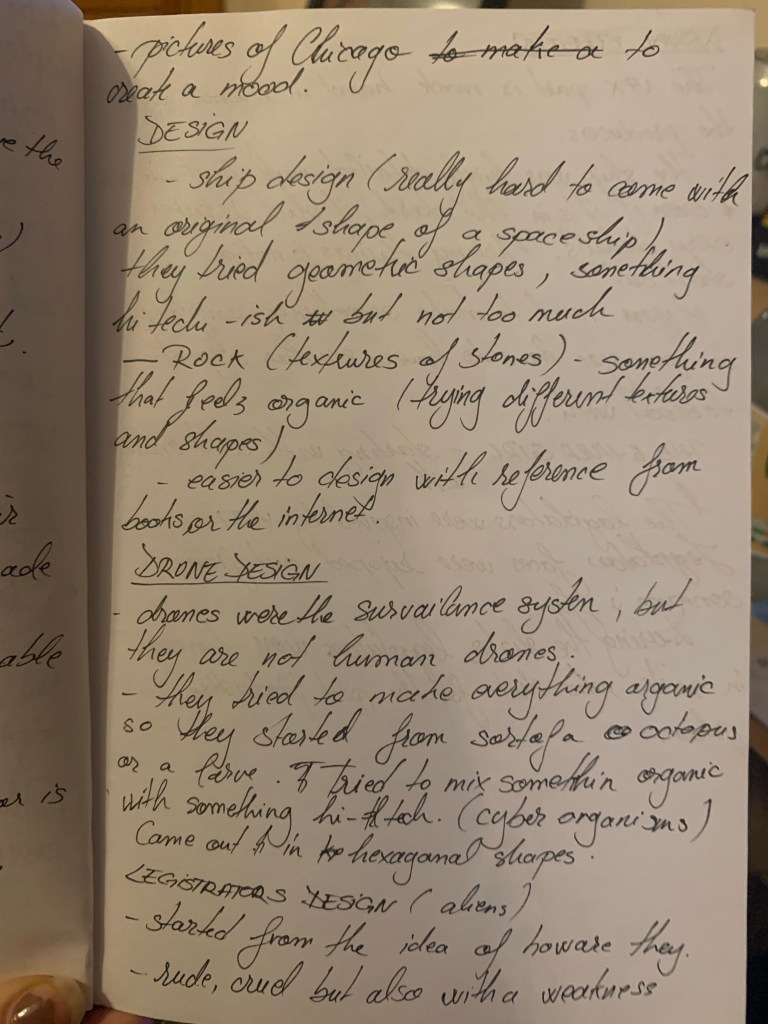
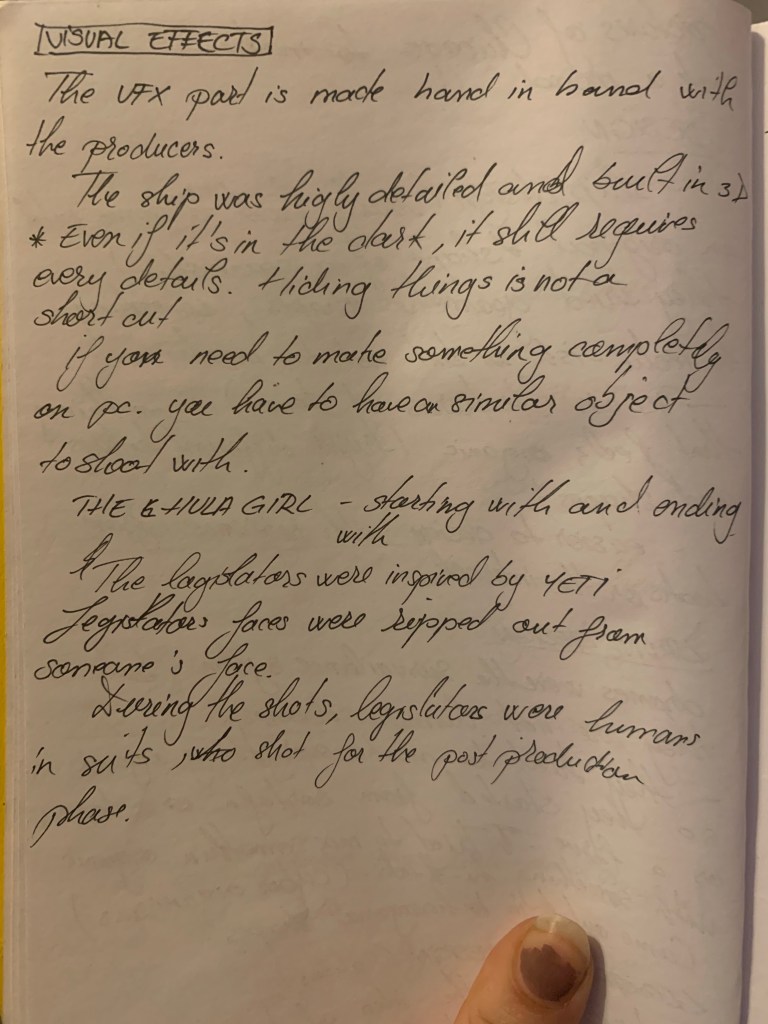
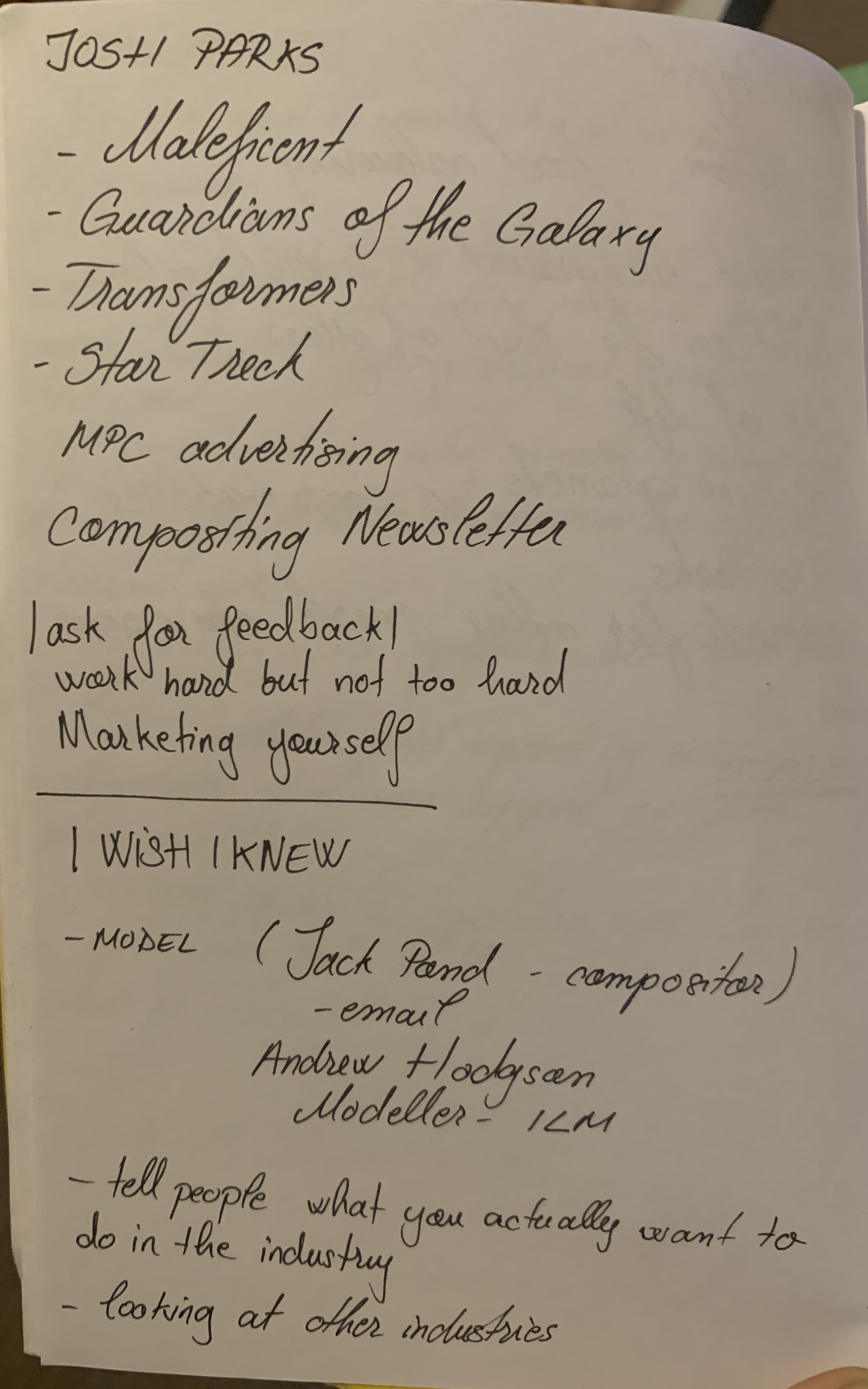
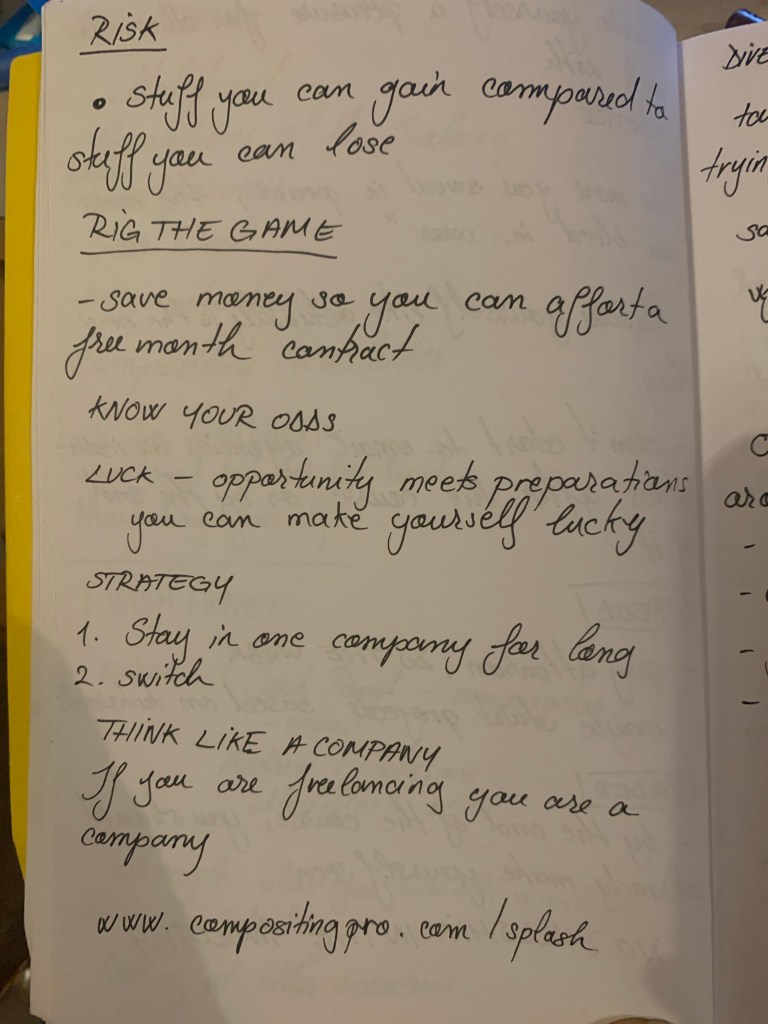
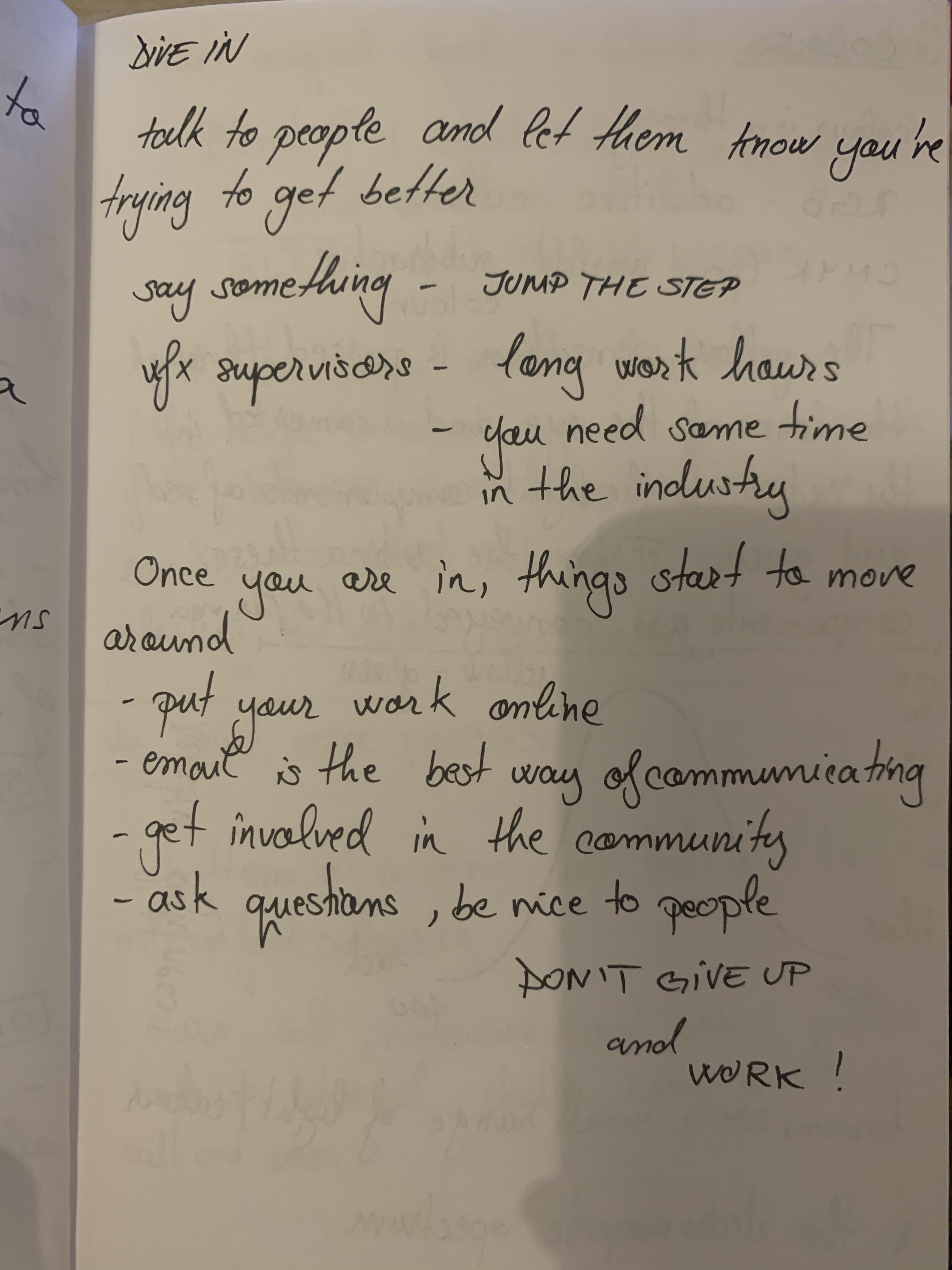
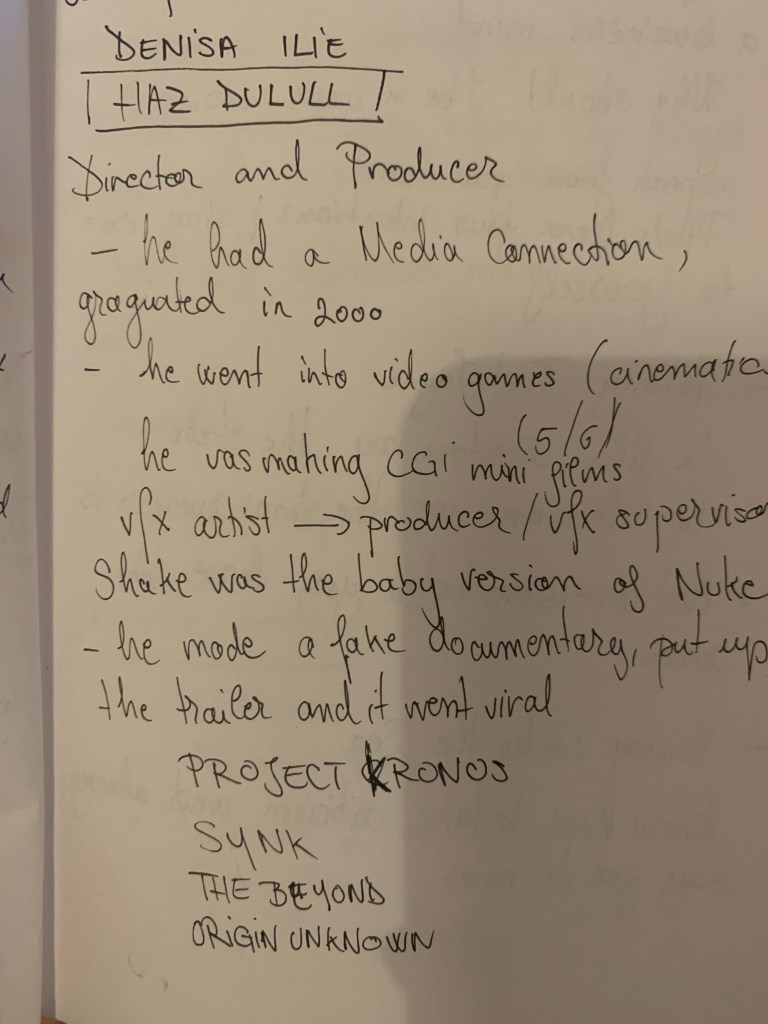
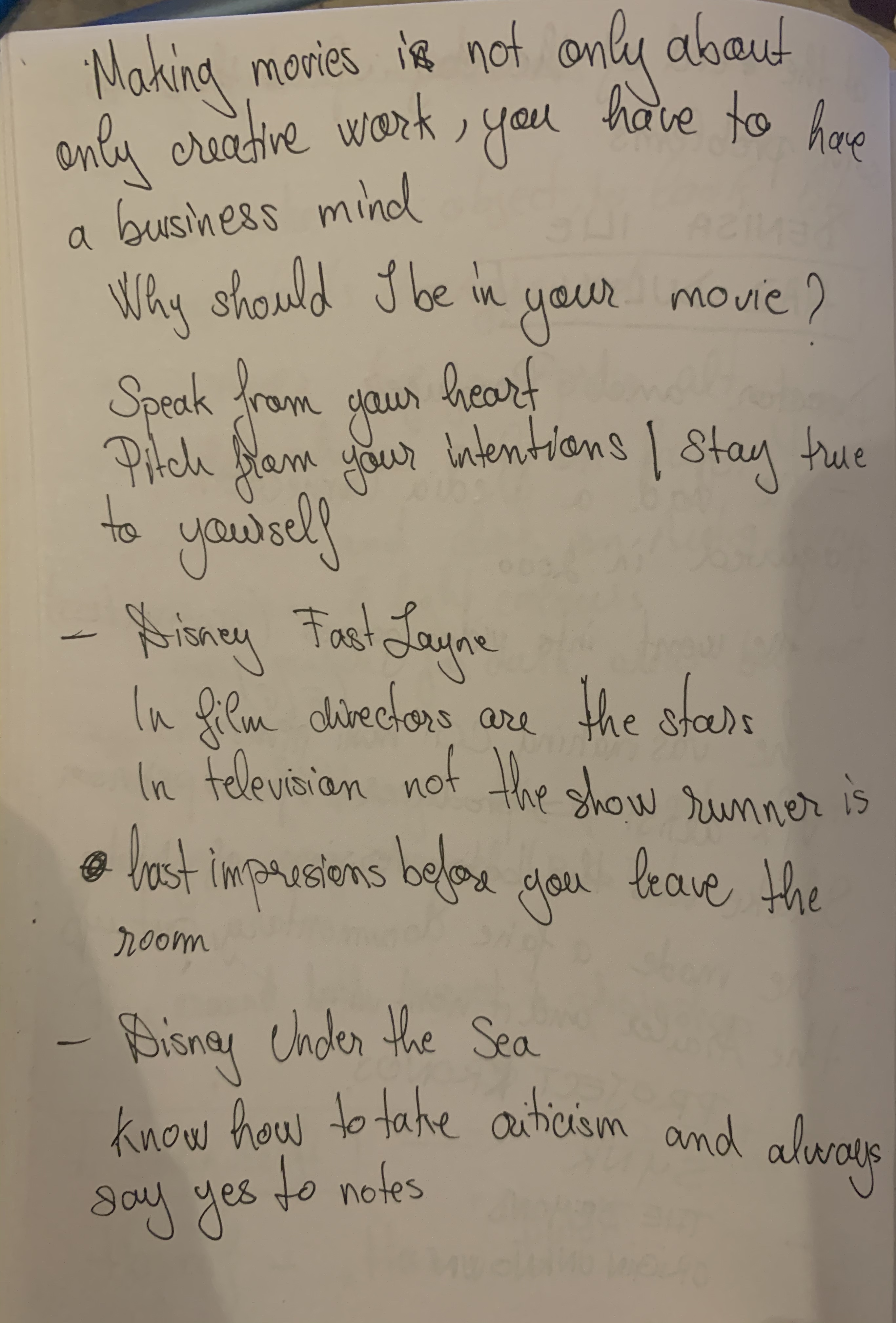
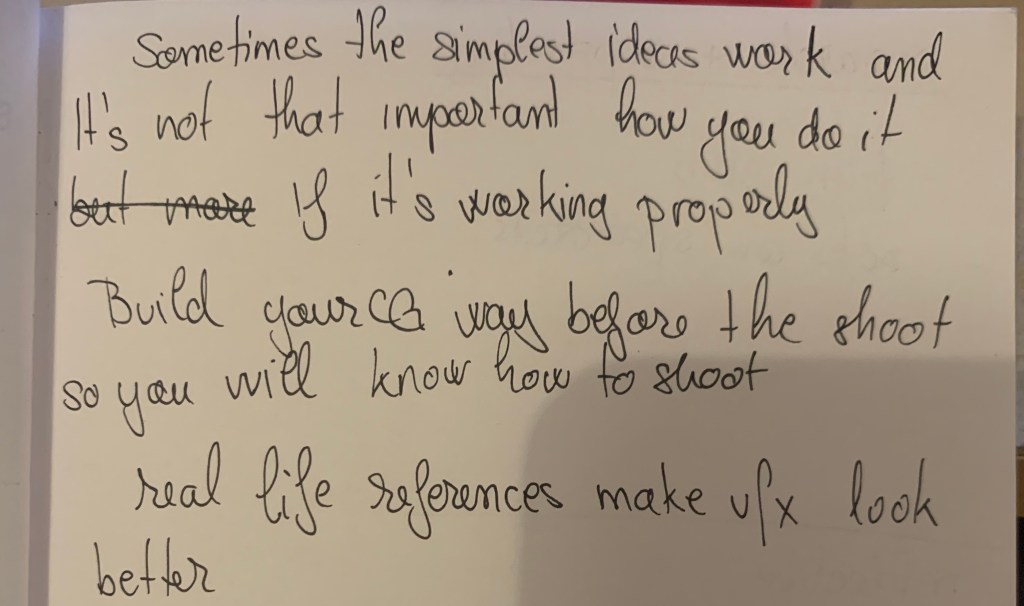
GUEST SPEAKERS FROM THE INDUSTRY


 Darray Tattoos
Leave a comment